
 Facebook
 X
X
 Pinterest
 Copy Link
Preview: No crash, no fire sale, just a normal Boulder County market where money is made in the gap between what buyers offer and what sellers expect.
Right now, the same two stories keep getting repeated. Buyers are waiting for a crash that is not coming.
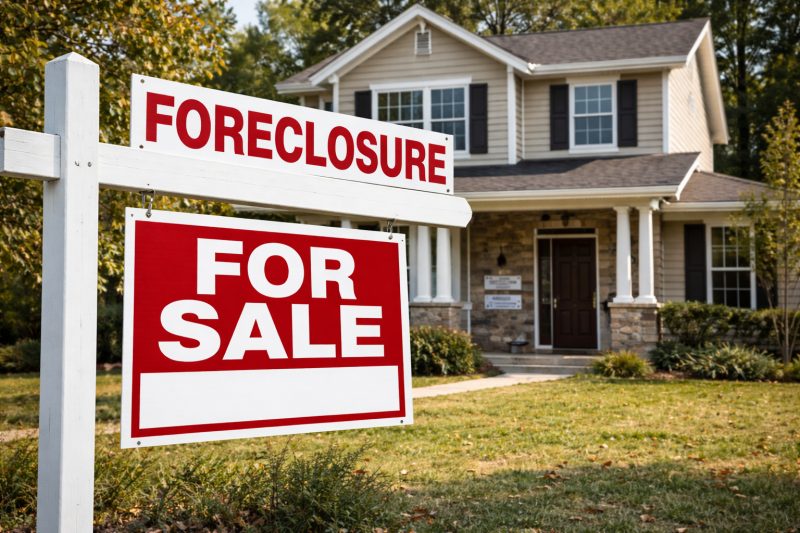
Postscript from outside Boulder County: economist Bill McBride at Calculated Risk just updated his long‑term charts of mortgage debt versus GDP and credit quality for new mortgages, and his conclusion is simple, there is no setup for cascading price declines driven by distressed sales this cycle. Most owners have equity, fixed low rate loans, and staying power, which means this is not 2008 all over again, just a slower, more negotiated market.
Sellers, meanwhile, are still pricing like it is 2021 and then blaming “the market” when nothing happens.

For perspective, we are still listening to the same economists who have predicted nine of the last five recessions. If you are waiting for Boulder County to implode, you are going to be waiting a while. Boulder County’s median price is roughly 675,000 dollars, down modestly from the low 700s, while the city of Boulder is still a seven‑figure conversation with medians north of one million. There is no foreclosure wave, no distressed inventory, and no forced selling right now-just a quieter market that rewards preparation and punishes guesswork.
Rates are not the headline anymore. The 10‑year Treasury has been trading in a range, and 30‑year mortgages have been stuck in the low‑to‑mid‑6‑percent area after brushing 7‑plus last year. Waiting for 4 percent to magically show back up feels productive, but it usually is not. The real levers now are price, terms, and patience.
For buyers and for people trading up, the decision is not “wait for 4 percent” versus “overpay now.” It is whether you want to keep renting the whole house from the bank at today’s prices and today’s rates, or start renting less of it every year. When you own, every payment has two pieces: interest, which is the rent you pay to the bank, and principal, which is forced savings that quietly buys back more of the house each month. That sits on top of long‑run price growth that has averaged low single digits a year in many markets, and closer to 6 percent across the Front Range over the past several decades.
Spring does not just bring buyers. It brings competition. Every year, Boulder County’s active listings ramp from winter into summer: January to July has meant inventory roughly doubling or tripling in recent years as more sellers “test the market.”
More signs in yards bring more noise, not automatic leverage.
Here is the Boulder County single‑family inventory over the last four years, January to July:
2022: January 83 → July 337 active listings (306% increase).
2023: January 232 → July 430 (85% increase).
2024: January 297 → July 568 (91% increase).
2025: January 374 → July 681 (82% increase).
At even the lowest increase in inventory, there is still almost double the number of competitors.
Leverage comes from clarity about value, from clean terms, and from an actual negotiation plan, not from crowds.
Money is made or lost in the bid‑ask spread, not in the list price. The gap between what buyers are really willing to pay and what sellers are really willing to accept is where strategy lives.
In Boulder County, typical days on market in many segments sit around a month or two, which is not slow, it is negotiable. Good outcomes in that environment require real negotiation and clear feedback loops, not a “set it and forget it” listing and hope. Those types of listings were available in 2021 and parts of 2022-not now.
If you are not sure what your move should be right now, you really have four choices:
-change your target
-wait
-re‑price
-or restructure
Happy to help you think through those, and it is completely fine if what you need is a plan and a year (or more) instead of a rushed decision.
If you want to see this in actual numbers for your situation, reply with “2026 math” and your ZIP code.
I’ll send you a one‑page snapshot that shows a realistic value range, today’s payment at current rates, and what 5 to 10 years of principal paydown plus normal appreciation could look like for you.
